
A global leader in whole-body automated medical imaging analysis
Quibim design pioneering tools that unlock imaging data to improve patient outcomes. Their main purpose is the application of AI techniques to medical images from MRI, CT, PET to unlock new data which can be transformed into actionable predictions for life sciences and providers.
I worked with Quibim on a number of different projects across their insights platform and viewer software. Clinicians were reporting several issues while using the platform to conduct their studies. One of my main goals for the business was ensuring there was one clear and consistent system for design that connected all journeys across both platforms while in unison gathering user insights to improve the overall IA and UX.
“Considering that medical imaging software is a demanding place to design (expert users, complex workflows, regulated environment and not so much room for guesswork...) Sophia handled it with care and craft. I’d work with her again without hesitation.”

UX + Accessibility audit
Step 1
Accessibility audit of all screens across insights and viewer. Cross checking against latest accessibility guidelines and ranking severity of each issue found. Alongside this analysing UX and running a competitor review while gathering any current user data or feedback.
Step 2
Run several sessions with PM and Developers to cover questions around decision making for certain aspects of the build & UX. Workshop ideas on how we move some of the issues found into actionable solutions.
Step 3
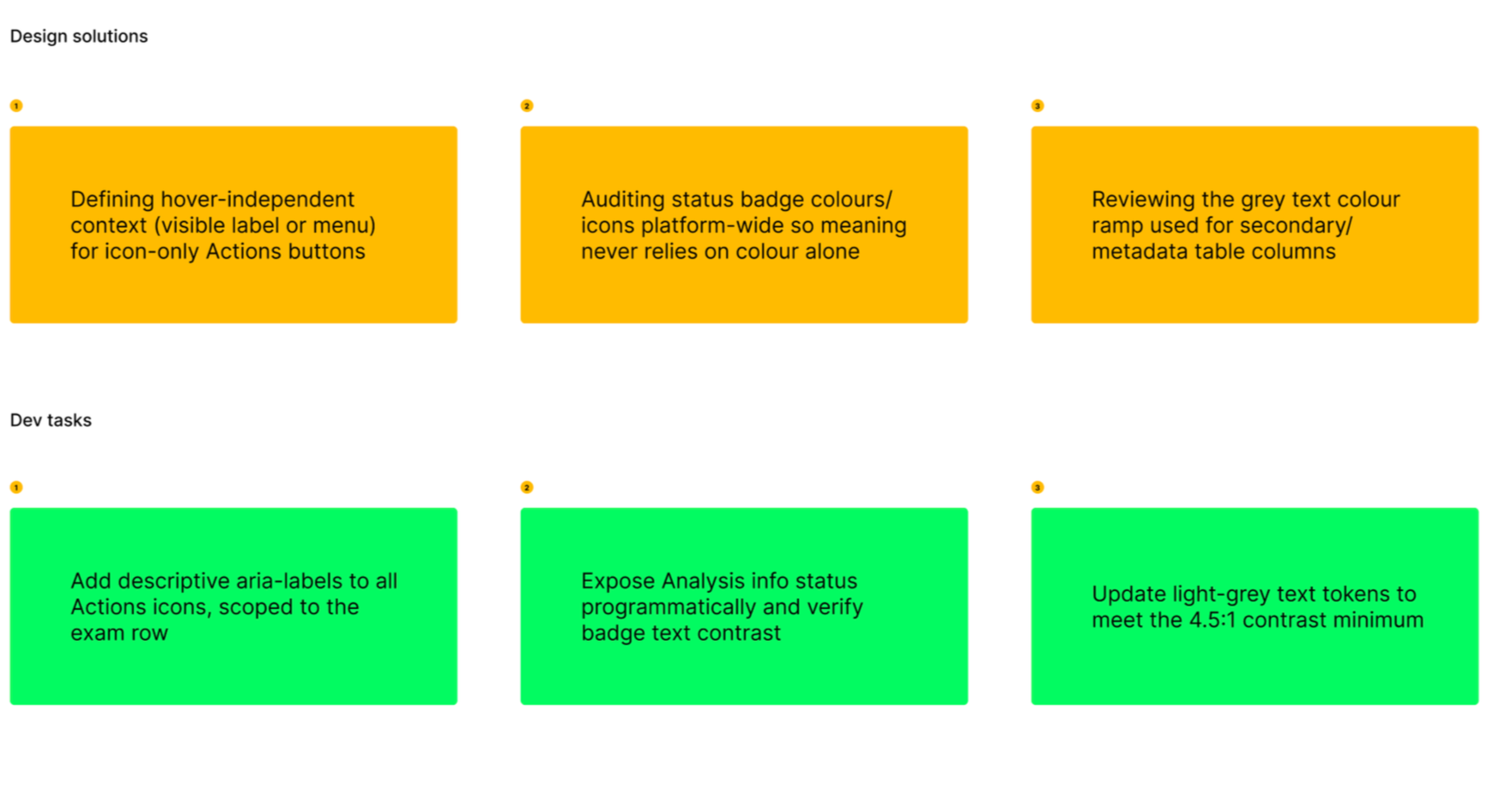
Collate all analysis and data gathered and use this to start planning design and engineering tasks moving forward. Generate design roadmap.
Discovery phase
I worked closely with the Product Lead to conduct an in-depth research piece across the insights and viewer platforms, the aim was to align on the overarching challenges and usability issues clinicians were currently facing and land on some actionable solutions.
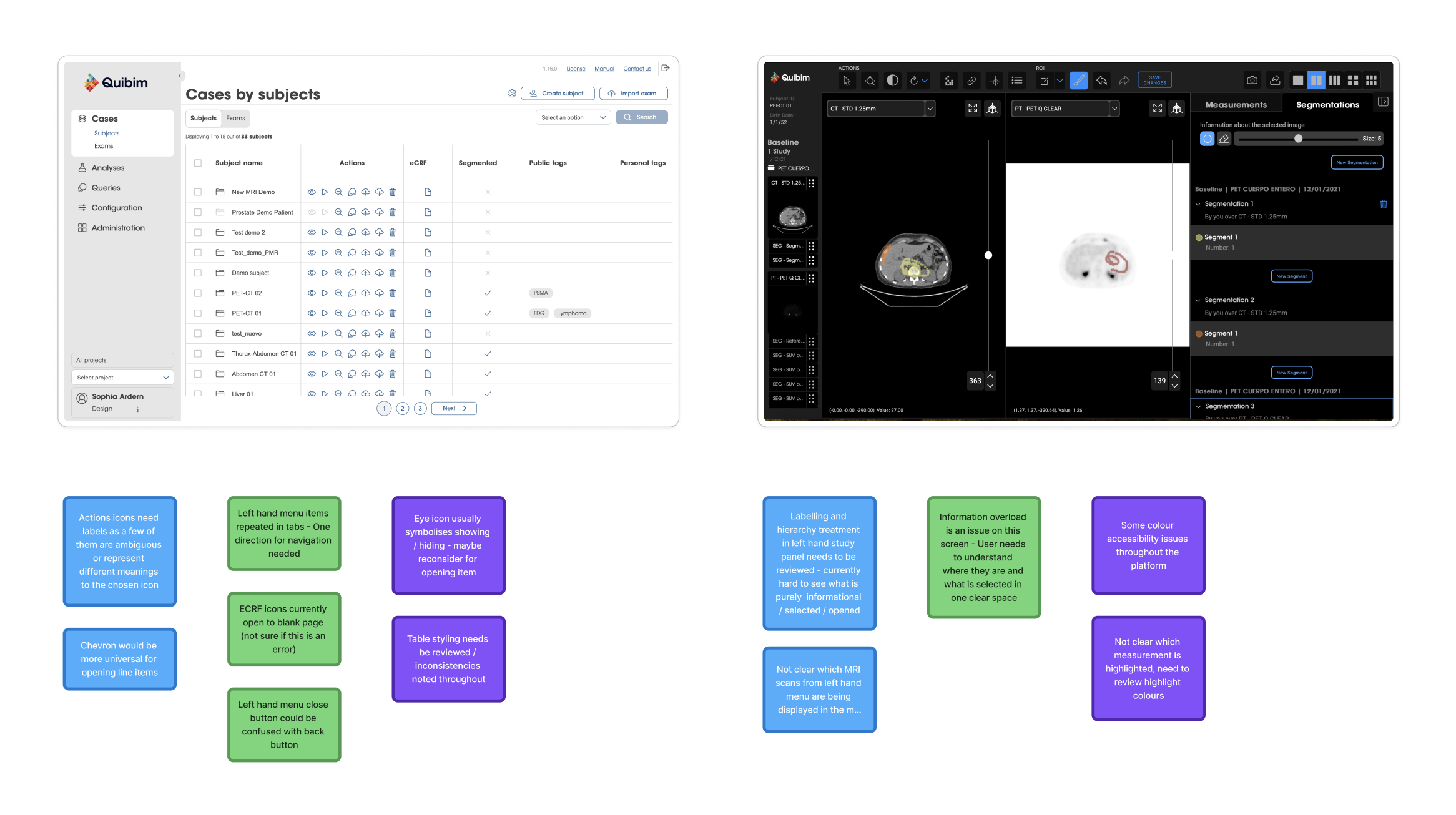
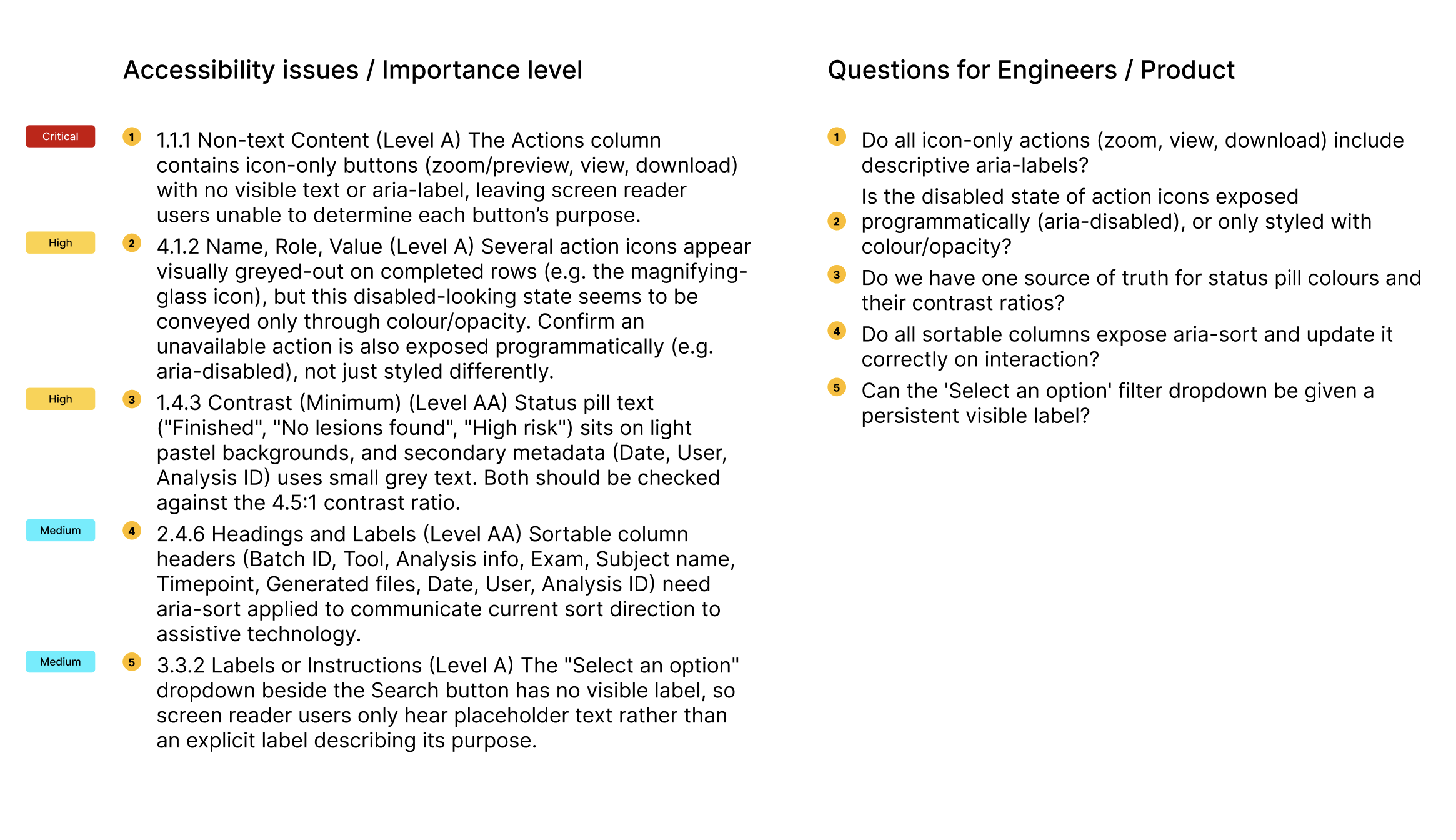
UX & Accessibility Audit
I ran through entire current platform journey and highlighted areas of improvements, some UX related and some technical - I then collated all of these into a walkthrough for product and engineering to ensure we aligned on what the issues were and how we could tackle them moving forward.
Alongside this I started to prioritise some tasks that could be actioned straight away verses others that needed more research and collaborative sessions.
Once all journeys were covered this research was moved forward into journey mapping and solution ideation workshops with myself and several key stakeholders.
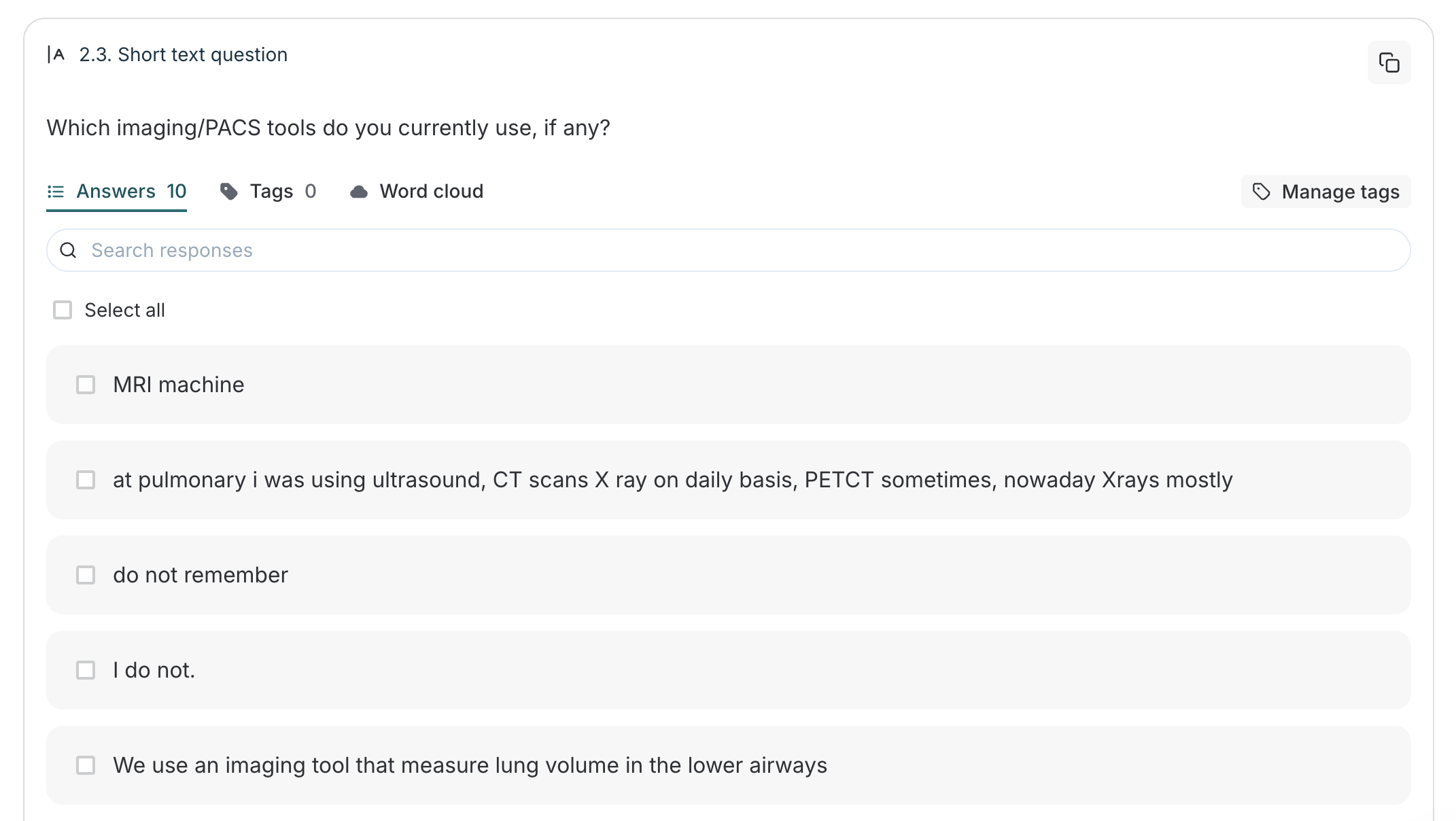
User interviews
I set up several surveys in Lyssna to get a broader understanding of the clinicians using this software. Alongside general data gathering I used the sessions to walk users through some very early experiments and A/B test some initial concepts.
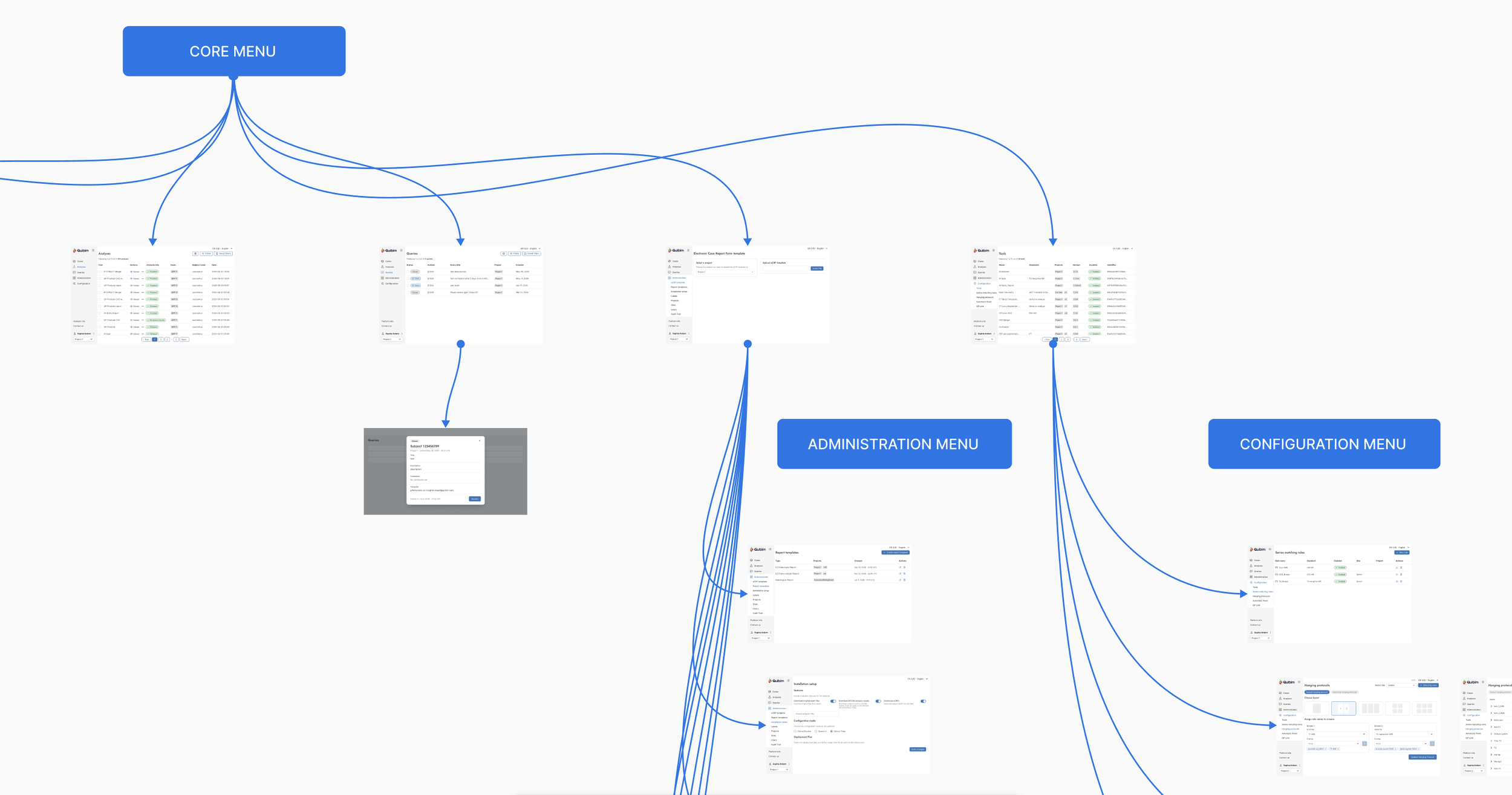
Ideation phase
Using the data gathered in the discovery phase I collaborated with the team in several workshops to collate ideas on how to solve the UX issues and user pain points raised during the discovery phase. Part of this was mapping out the user journey and discussing where improvements could be made across the platform.
Actionable solutions & Roadmap planning
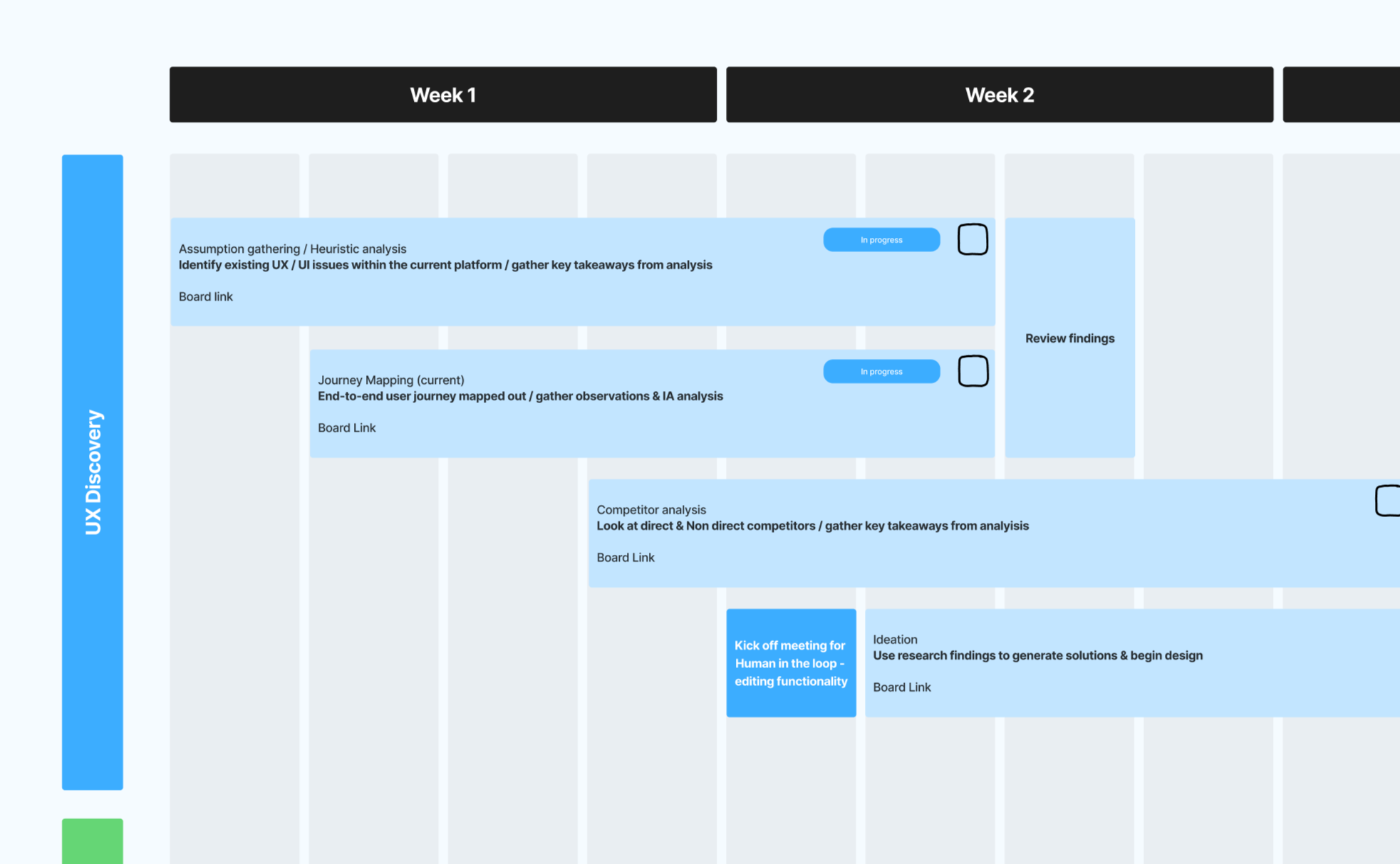
Following on from the research and ideation phase I began scoping out some quick win Engineering tasks vs longer term design solutions. Alongside this I built out a design roadmap including engineering planning and handover dates.
Design iterations & Reviews
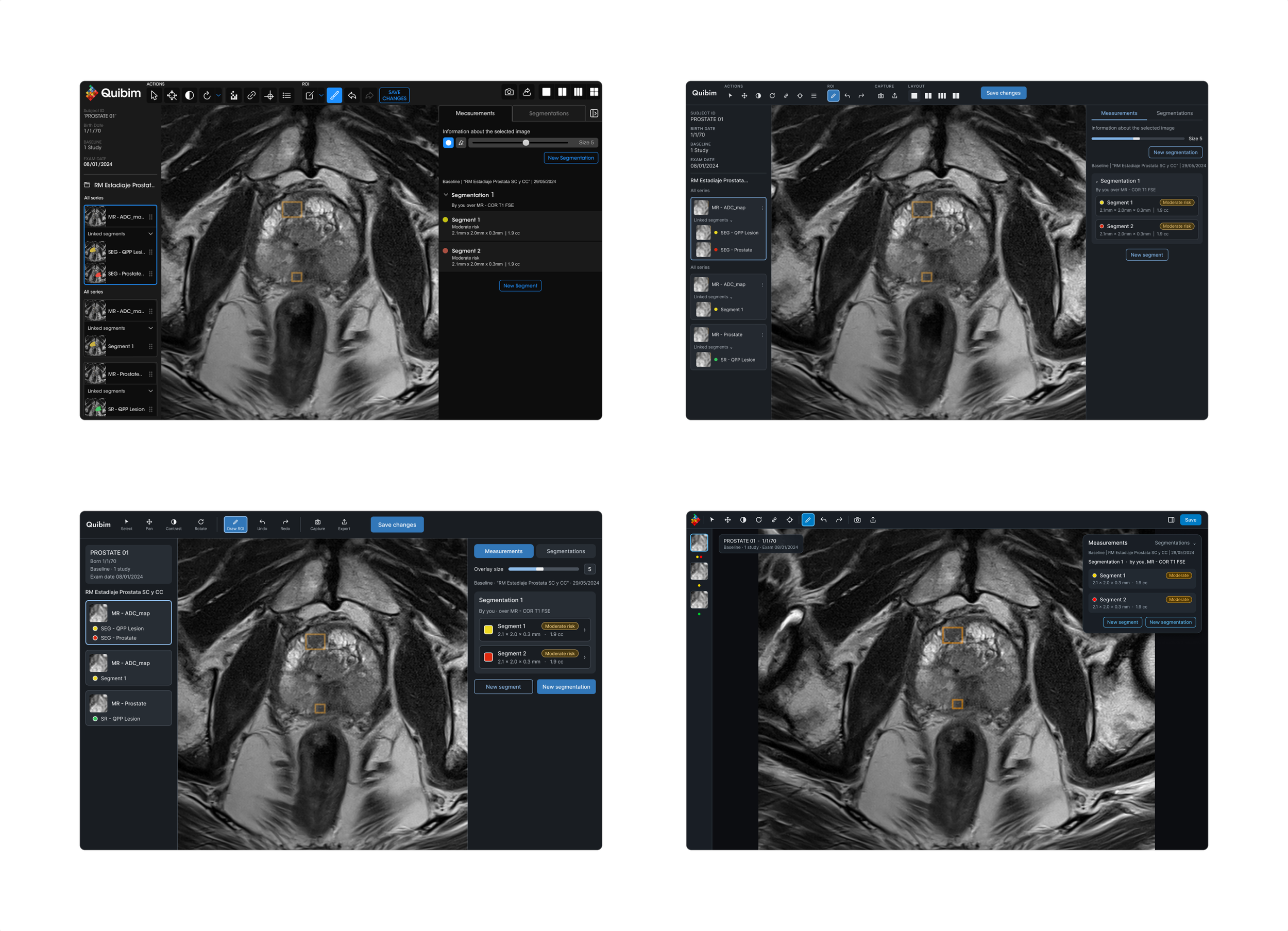
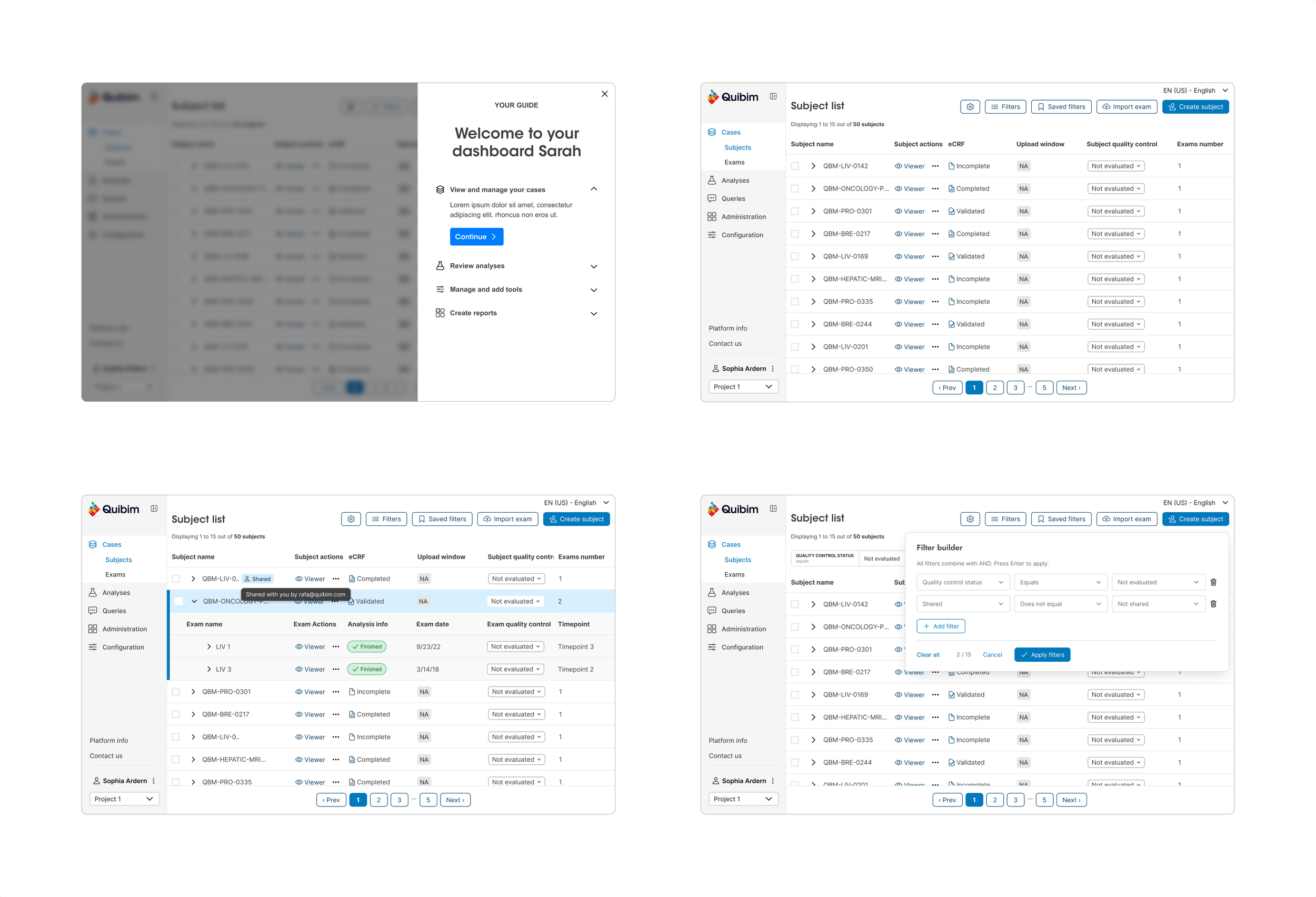
To validate some of the ideas generated I began designing several concepts for the purpose of stakeholder feedback and further user testing.
User testing in Lyssna
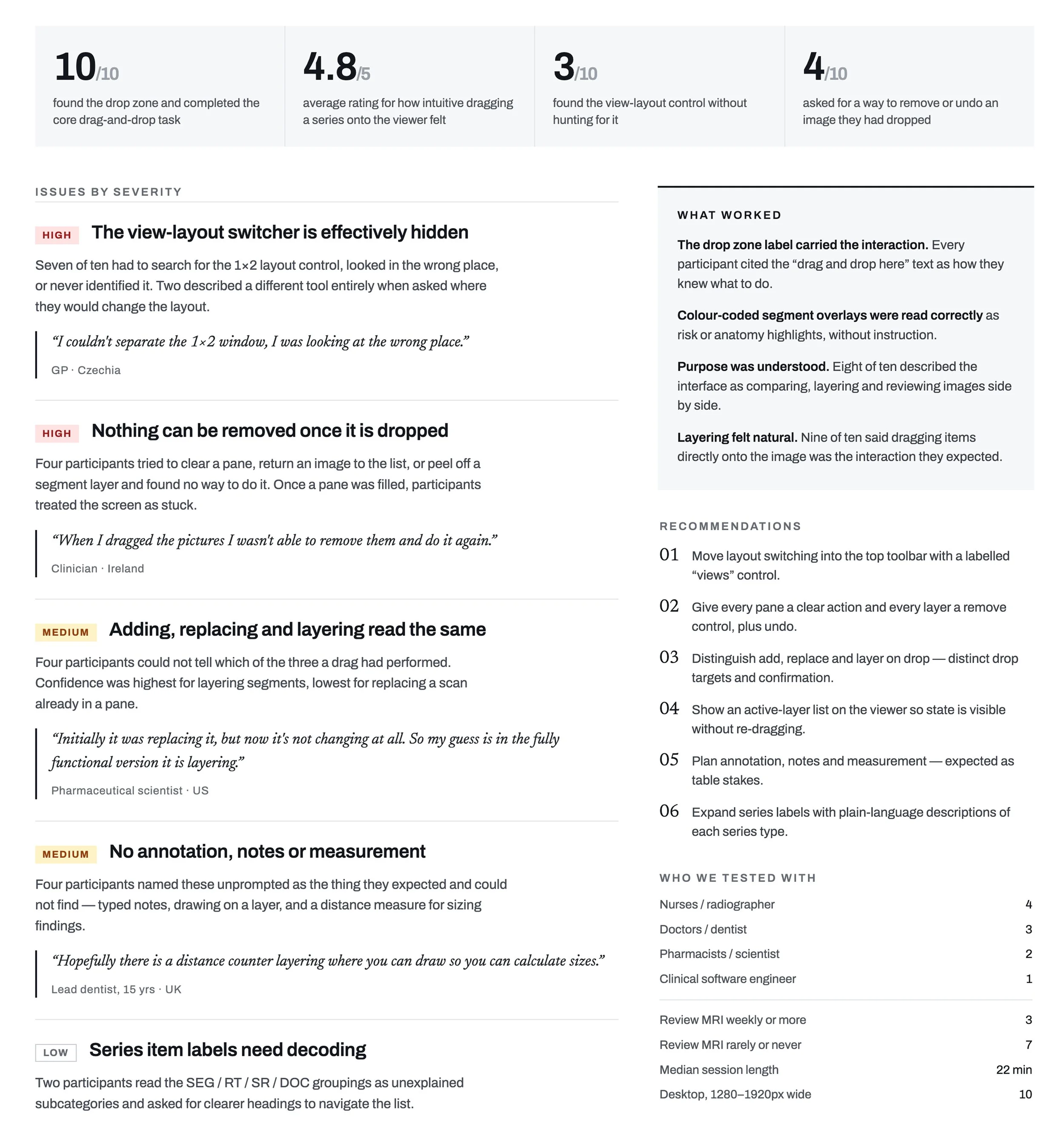
Several user tests were conducted focussing on different individual journeys, some on the current UX and some prototypes using new proposed solutions. Displayed below is data from one of the studies conducted.
Final iterations & Design System delivery
Following on from the user testing of the end-to-end journey with sample user groups I began refining the final screens and getting them ready for production. A full token based anatomic design system was built and I facilitated weekly sessions to walk the engineers through changes within the journeys and the connected components step by step to ensure they had a good understanding of the context behind the design decisions made.